

The Best Sites with Free Stock Photos for Bloggers
In today’s image-centric online world, a striking picture can truly make or break a blog post. No matter if you’re diving into travel, fashion, tech, food, or personal growth, having the right visuals is crucial for keeping your readers hooked and boosting your content on social media.
The good news? You don’t need to spend a fortune to get high-quality images. There are some fantastic platforms out there that provide free stock photos, perfect for bloggers.
1. Pikwizard: The Best Choice for Genuine Blog Imagery
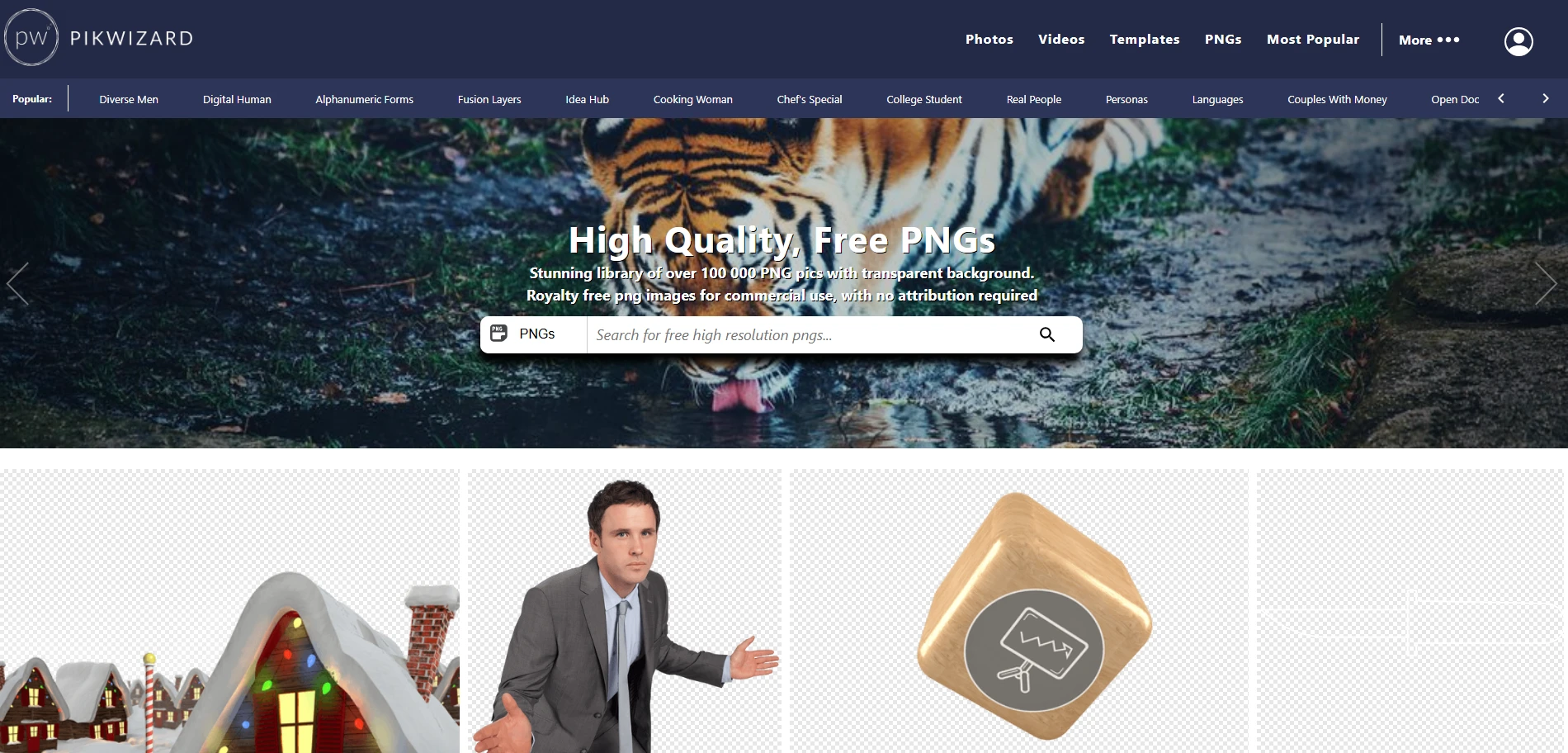
Pikwizard has quickly become a favorite for bloggers seeking high-quality images that feel authentic and relatable. With over a million assets and 20,000 exclusive photos, it’s perfect for those looking for natural, everyday visuals—ideal for personal blogs, how-to guides, or lifestyle content.
And more – you can find not only regular stock photos, but also PNG images with transparent background on Pikwizard. This type of images is very convenient when you want to substitute their background with something fancy or use them as a part of your overall design composition. At Pikwizard, you can download PNG images and use them in your commercial projects without any attribution.
Key Features:
Vast Media Library: Gain access to more than 1 million royalty-free images and videos.
Exclusive Content: Pikwizard offers originality that helps your blog posts shine.
DesignWizard Integration: Easily edit and customize photos with built-in editing tools.
Blog-Friendly Categories: Well-organized image libraries with tags for lifestyle, health, productivity, and more.
No Attribution Needed: Use JPG and PNG images with transparent background for personal or commercial blog posts without the need for attribution.
Pros:
Genuine photos that are perfect for lifestyle and editorial-style blogging.
User-friendly interface designed for quick searches and batch downloads.
Free animated backgrounds for blog headers and landing pages.
Cons:
A handful of photos might have slightly darker tones compared to commercial premium stock.
2. Burst by Shopify: The Go-To for E-Commerce and Product Blog Photos
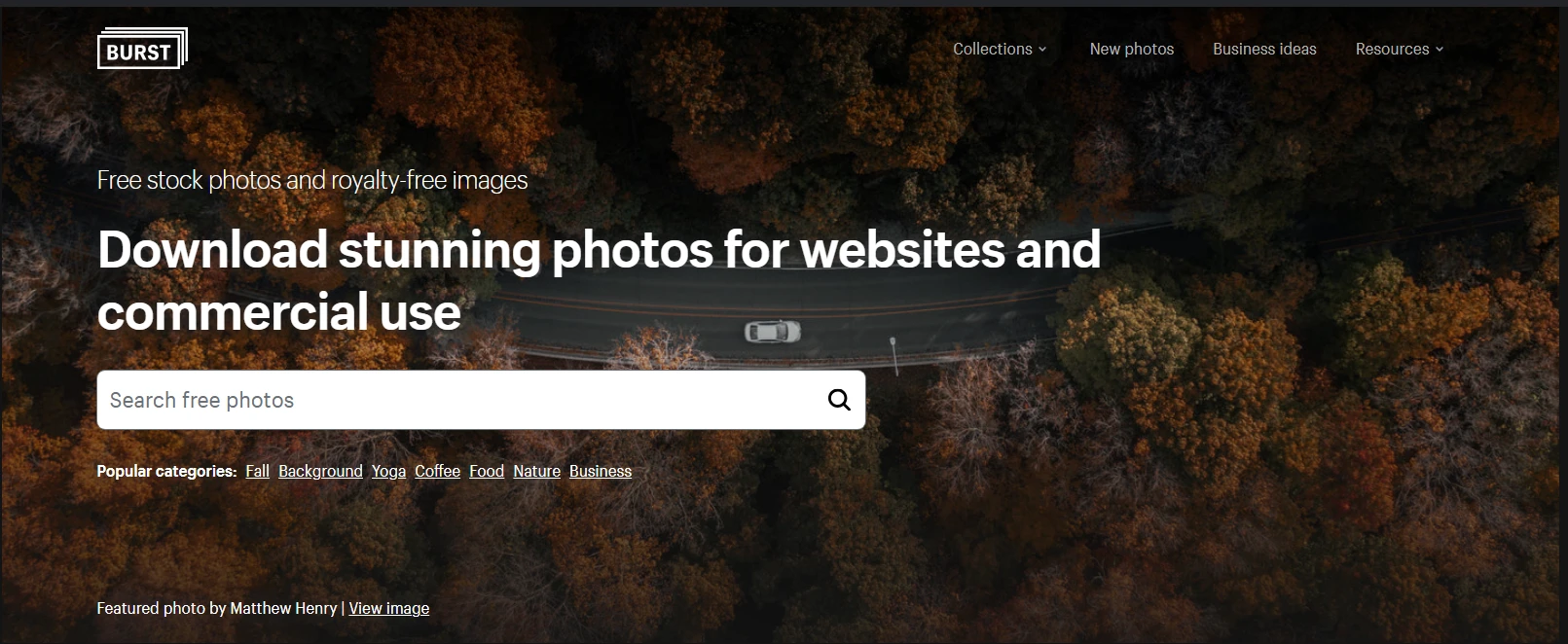
Burst, created by Shopify, provides a fantastic selection of free high-resolution images specifically designed for entrepreneurs, online sellers, and bloggers who are all about business and e-commerce.
Key Features:
Business-Focused Categories: Images that spotlight products, startups, tech, and lifestyle branding.
Curated Photographer Collections: Thoughtfully assembled series perfect for visual storytelling.
No Attribution Needed: Feel free to use these images in your blogs, stores, and online campaigns without any credit.
Pros:
Perfect for product reviews and online business blog posts.
High-quality collections put together by Shopify’s creative team
Consistent visual style that enhances brand storytelling.
Cons:
Smaller collection compared to some of the bigger platforms out there.
Certain categories might lack diversity.
3. Reshot: The Best Choice for Unique and Non-Stocky Blog Images
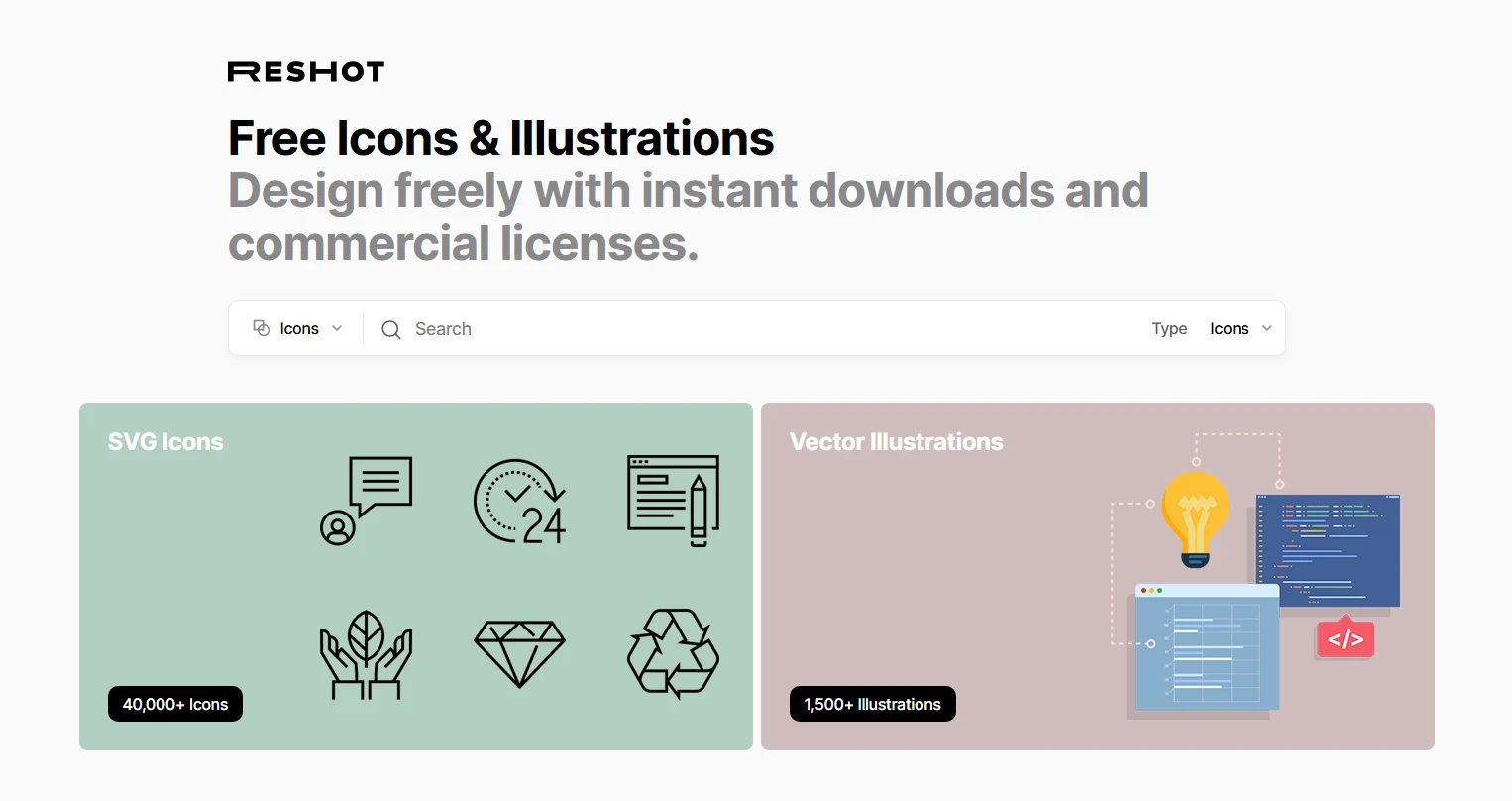
Reshot features a collection of carefully selected, non-generic images that are perfect for bloggers looking to steer clear of the usual stock photo vibe. It’s an excellent match for personal brands and editorial content.
Key Features:
Authenticity-Driven Curation: Photos contributed by independent photographers.
No Attribution Needed: Images are free for commercial use.
Editorial Style: Great for thought-provoking pieces, storytelling, and distinctive blog themes.
Pros:
Fantastic for blogs that thrive on strong storytelling and personality.
Images feel more creative and less staged.
Easy downloads without the hassle of signing up.
Cons:
A smaller image library.
Niche categories might not have a wide selection.
4. Foodiesfeed: The Ultimate Resource for Food and Recipe Bloggers
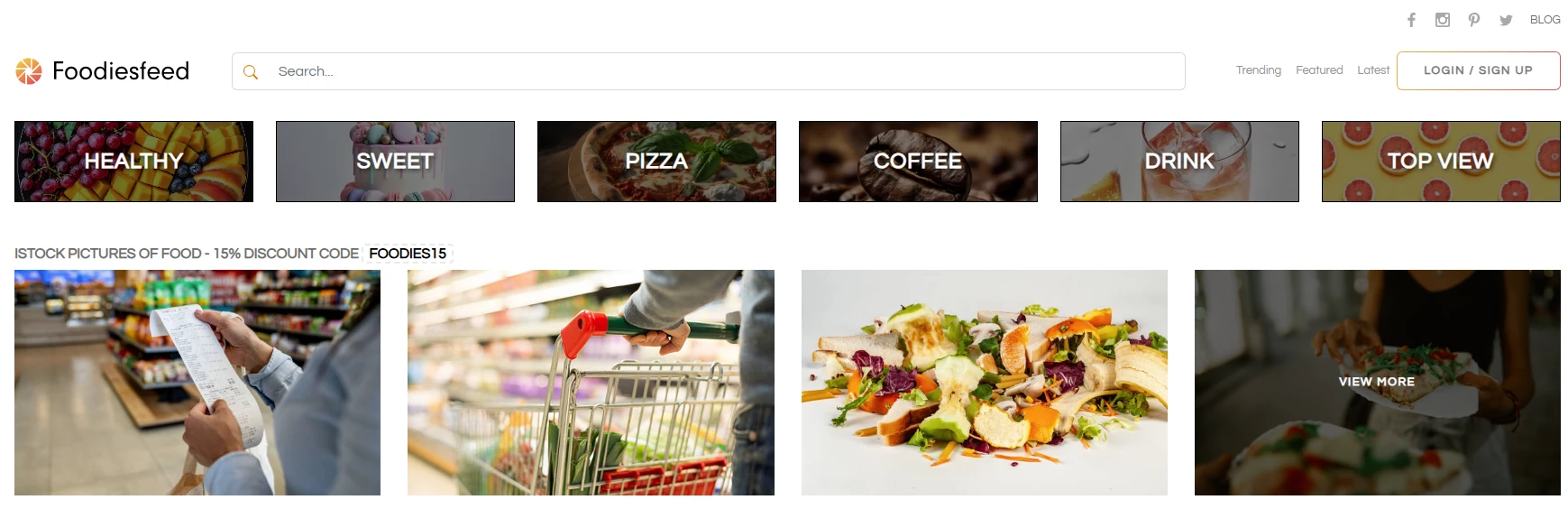
Foodiesfeed is a specialized platform that offers stunning food photography, making it ideal for culinary blogs, recipe posts, and food reviews.
Key Features:
Focused Curation: 100% food-related high-resolution images.
Categories for Every Cuisine: Organized by ingredients, meals, and settings.
No Attribution Needed: All content is free to use.
Pros:
Gorgeous, well-lit food photography.
Helps food bloggers keep a professional visual standard.
Simple interface for quick access.
Cons:
Very niche: not ideal for blogs that aren’t focused on food.
Fewer lifestyle or contextual images compared to general stock photo sites.
5. Gratisography: Perfect for Whimsical and Quirky Blogs
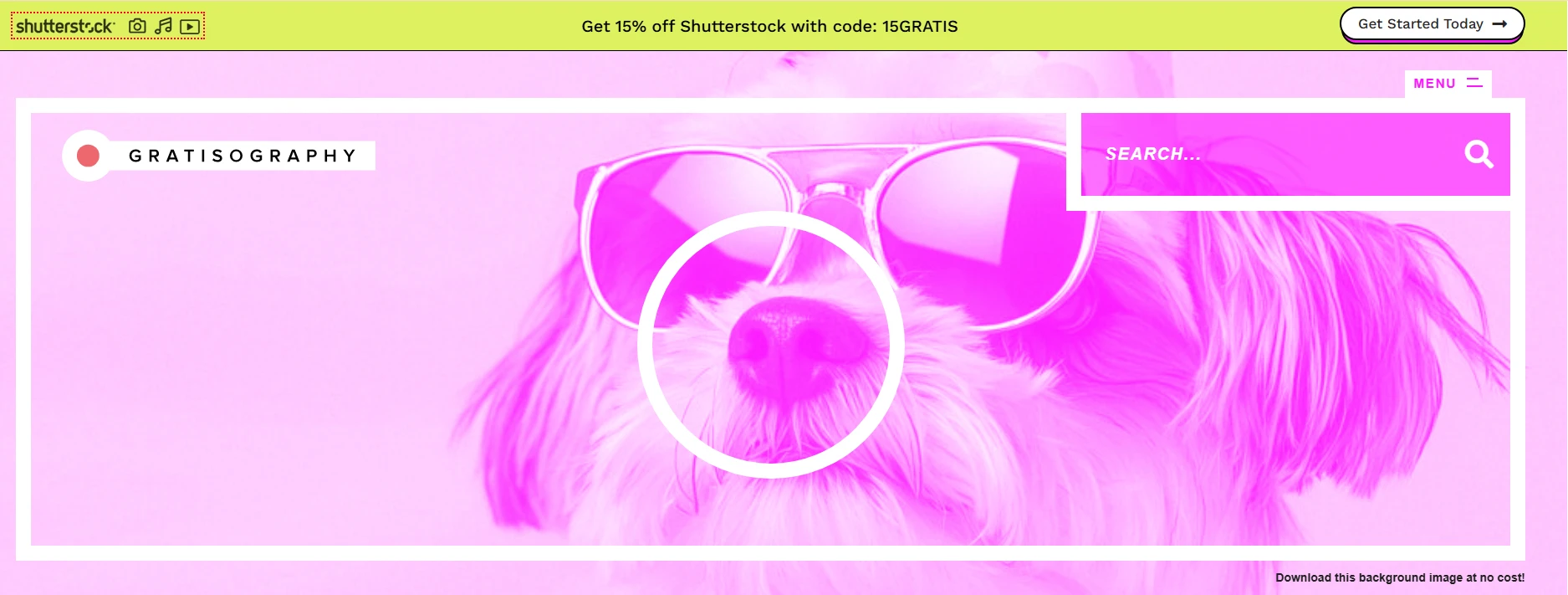
Gratisography is all about unconventional and playful stock photography. It’s a fantastic choice for bloggers looking to add a touch of humor, irony, or surreal visuals to their content.
Key Features:
Artistic Style: Quirky, staged photography that breaks away from the usual stock photo mold.
No Attribution Required: Completely free for both personal and commercial use.
Pros:
Eye-catching imagery that really stands out.
Unique categories like “whimsical” and “funny.”
All images are shot by the same photographer, ensuring a consistent quality.
Cons:
Not the best fit for formal or traditional blog topics.
Limited collection with infrequent updates.
Comparative Table
| Platform | Library Size | Editing Tools | Attribution Required | Best For | |
| Pikwizard | 1M+ | Yes | No | Relatable lifestyle imagery, blog-friendly UI | |
| Burst | Medium | No | No | Product blogs | |
| Reshot | Medium | No | No | Personal and editorial blogs | |
| Foodiesfeed | Small | No | No | Recipe and culinary content | |
| Gratisography | Small | No | No | Attention-grabbing blog posts |
Conclusion:
In 2025, bloggers have a treasure trove of fantastic platforms at their fingertips for finding free, high-quality visuals to elevate their posts. Whether you’re after relatable lifestyle shots, quirky artistic images, mouth-watering food photos, or sleek business visuals, these five sites have got you covered.
Pikwizard, in particular, shines with its unique content, handy editing tools, and a curated selection of blog-ready images, making it a must-have resource for content creators eager to captivate their audiences both visually and professionally.
Related Post

Chat Plugins to Improve Communication on WordPress
In case you want to develop your website constantly, the importance of…

Share Snippets Easily: Code Syntax Highlight jQuery Plugins
Text can be different, but in any case it’s connected with semantic…

